
PRATTSEUL: THE FRENCH ARTIST THAT WE WERE ALL WAITING FOR
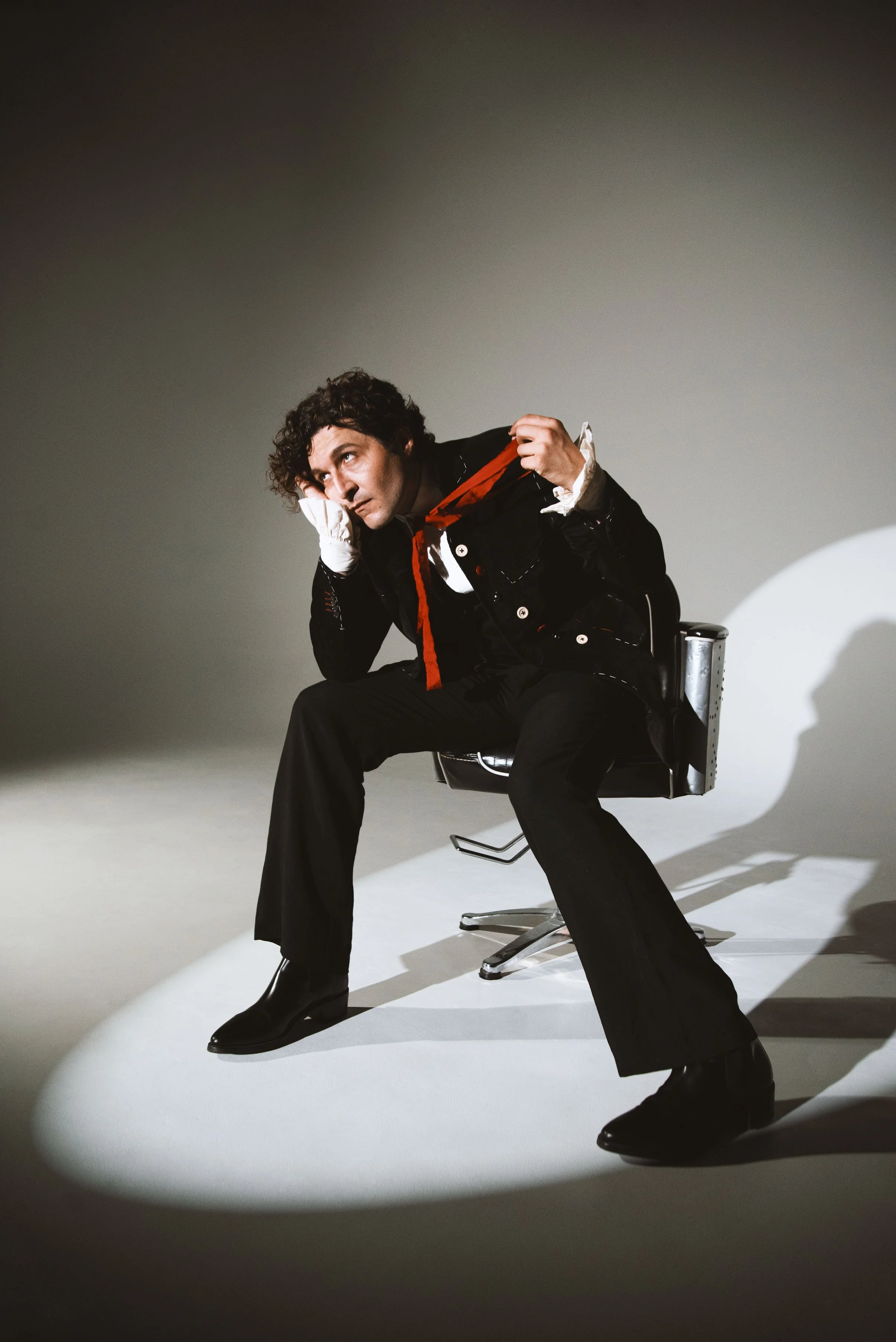
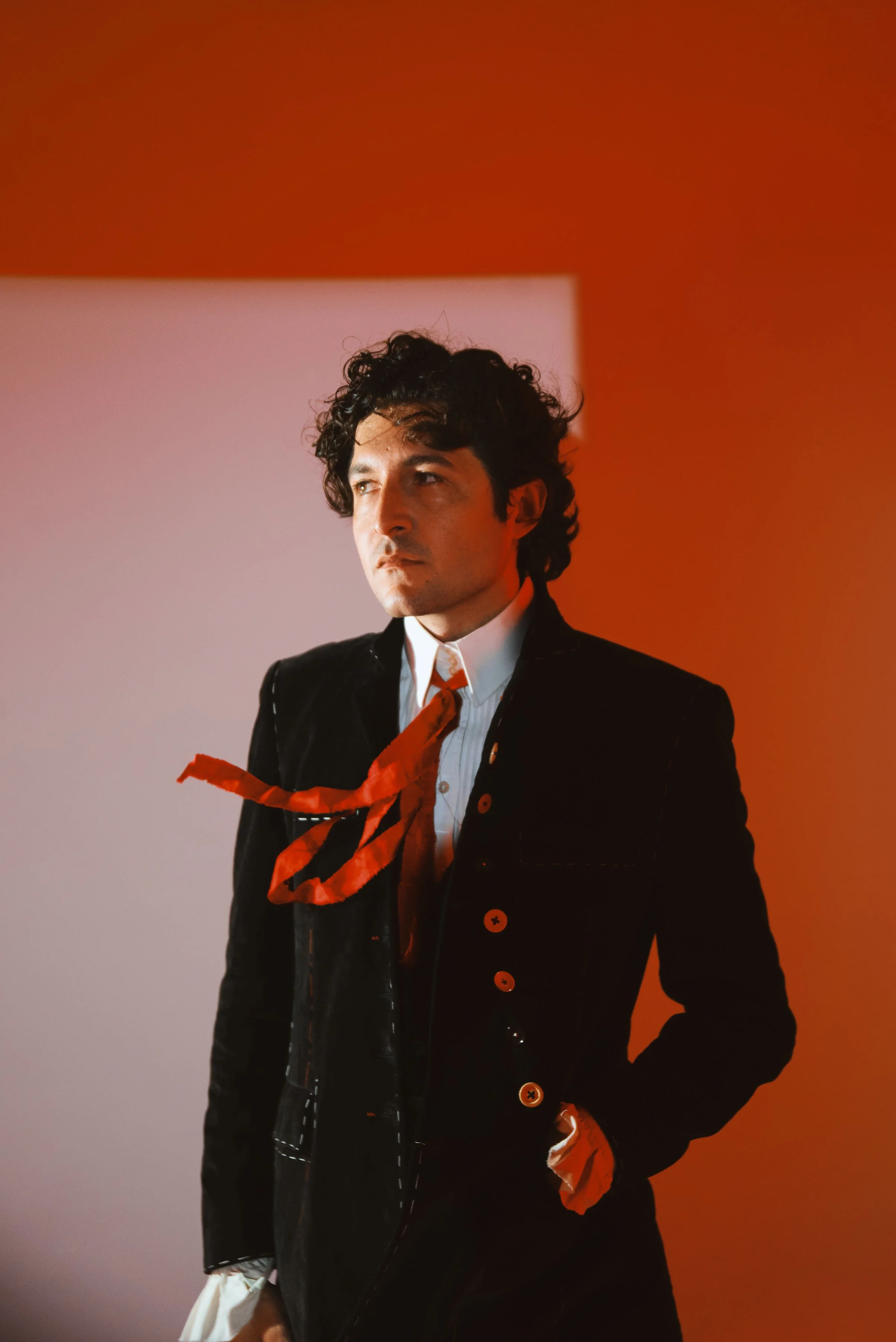
In an era where artists are expected to be everywhere at once, musician, storyteller, content creator, and cultural commentator, Prattseul has carved out a space entirely his own. Blending introspective songwriting with a strong visual identity, he has built a growing audience drawn to both his music and the authenticity behind it.
Following the release of his latest album, we caught up with Prattseul to discuss the inspirations that shaped this new chapter, the creative process behind his work, and the challenges of navigating today’s music landscape. From personal reflections to artistic ambitions, he offers an honest look into the mindset of an artist constantly evolving while staying true to himself.
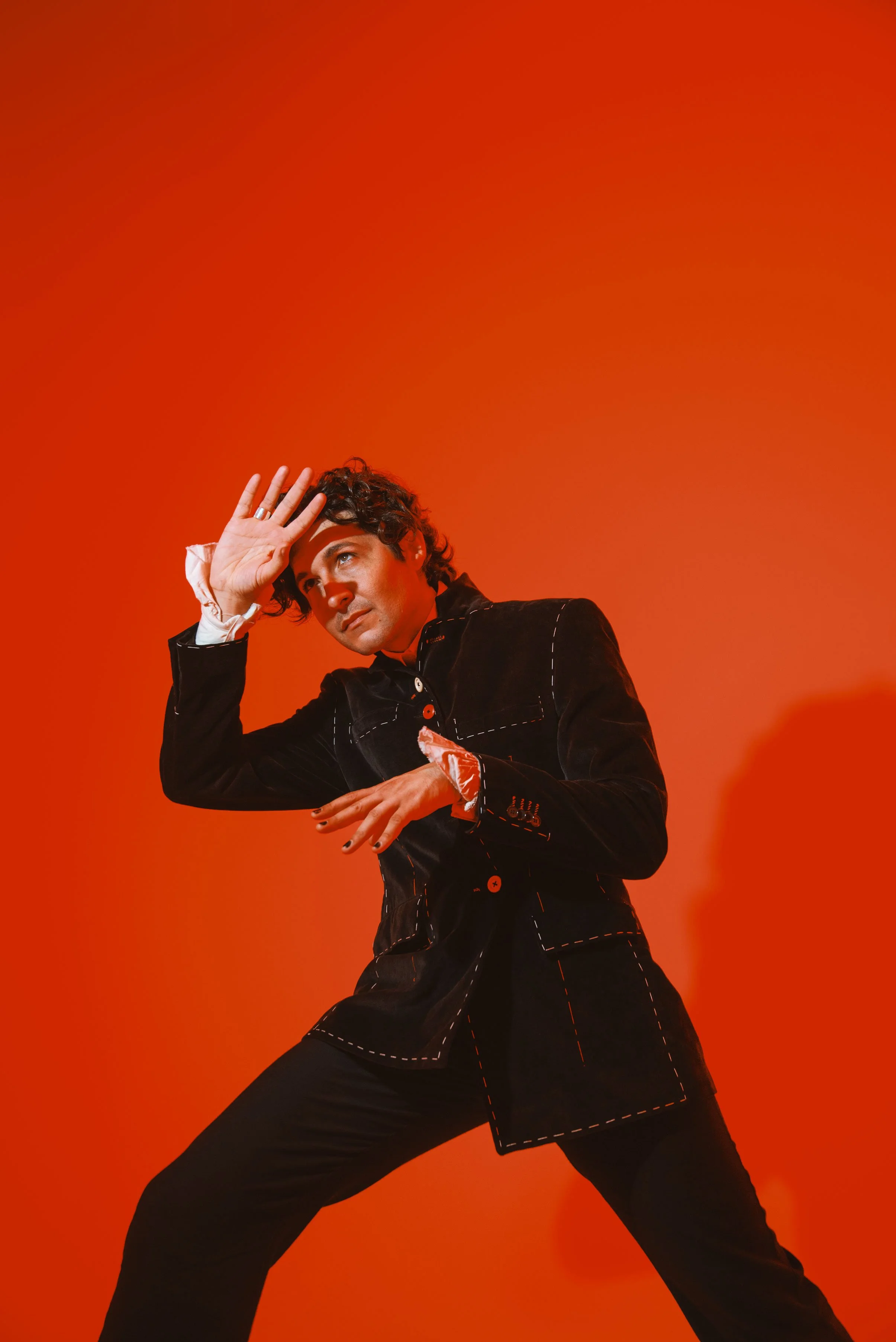
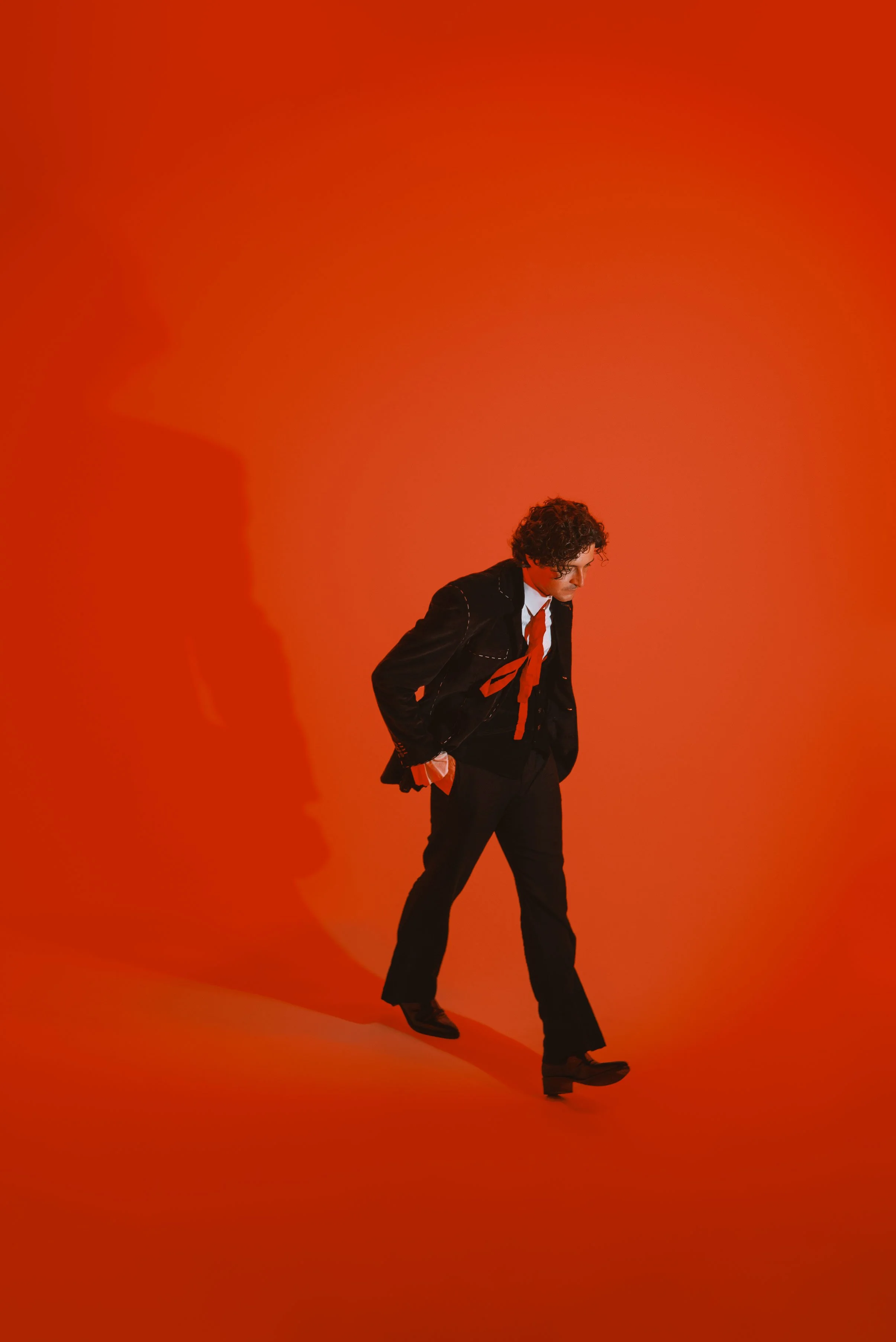
Tell us about yourself, where are you from and how did you become a musician?
I grew up in a small town called Castres, in the south of France. It’s the kind of place where becoming a professional singer feels like a distant dream. Rugby is far more likely to be a career path. Still, it was there that I picked up a guitar at seventeen and began playing in bands with friends. Since then, music has remained at the center of my life as I continued to develop my craft.
Five years ago, that passion became my profession, and I feel incredibly fortunate to be doing what I love every day.
Your new album just dropped. What was the core emotion or idea you wanted to capture with this project?
The central inspiration behind Blizzard Moderne is human connection in all its complexity. Love, compassion, hardship, and solidarity.
Conceived as an initiatory journey, the album reflects my perspective as a thirty-two-year-old man who left his hometown for Paris. Through lyrics written in French, I sought to express a sense of unity and shared experience, inviting listeners to see themselves within the stories.
Whether consciously perceived or not, my intention was for the music and the words to exist in constant dialogue, each enriching and amplifying the other.
Was there a specific moment or experience that triggered the direction of this album?
‘Blizzard Moderne’ is made up of songs I wrote over a two-year period. As I mentioned earlier, I moved to Paris in 2023, and looking back, I realize that my first six months in the city profoundly shaped the direction of the album. Paris, with its rich history, countless stories, and remarkable diversity, became both a backdrop and a source of inspiration.
The experience of discovering a new environment, surrounded by millions of people from different walks of life, naturally found its way into the music and the themes explored throughout the record.
Can you walk us through your creative process—do you start more with lyrics, melodies, or visuals?
I usually begin with melodies in my studio. I can spend days immersed in music production, exploring sounds and shaping atmospheres. Every track evokes colours and textures in my mind, which naturally translate into a particular visual universe or emotional landscape. From there, I connect the music to the themes and stories I want to explore.
After multiple revisions, refining both the lyrics and the composition until they truly resonate with one another, the song gradually takes its final form.
That said, there is no single formula for creating music. Every track follows its own path, and each one reveals itself differently.
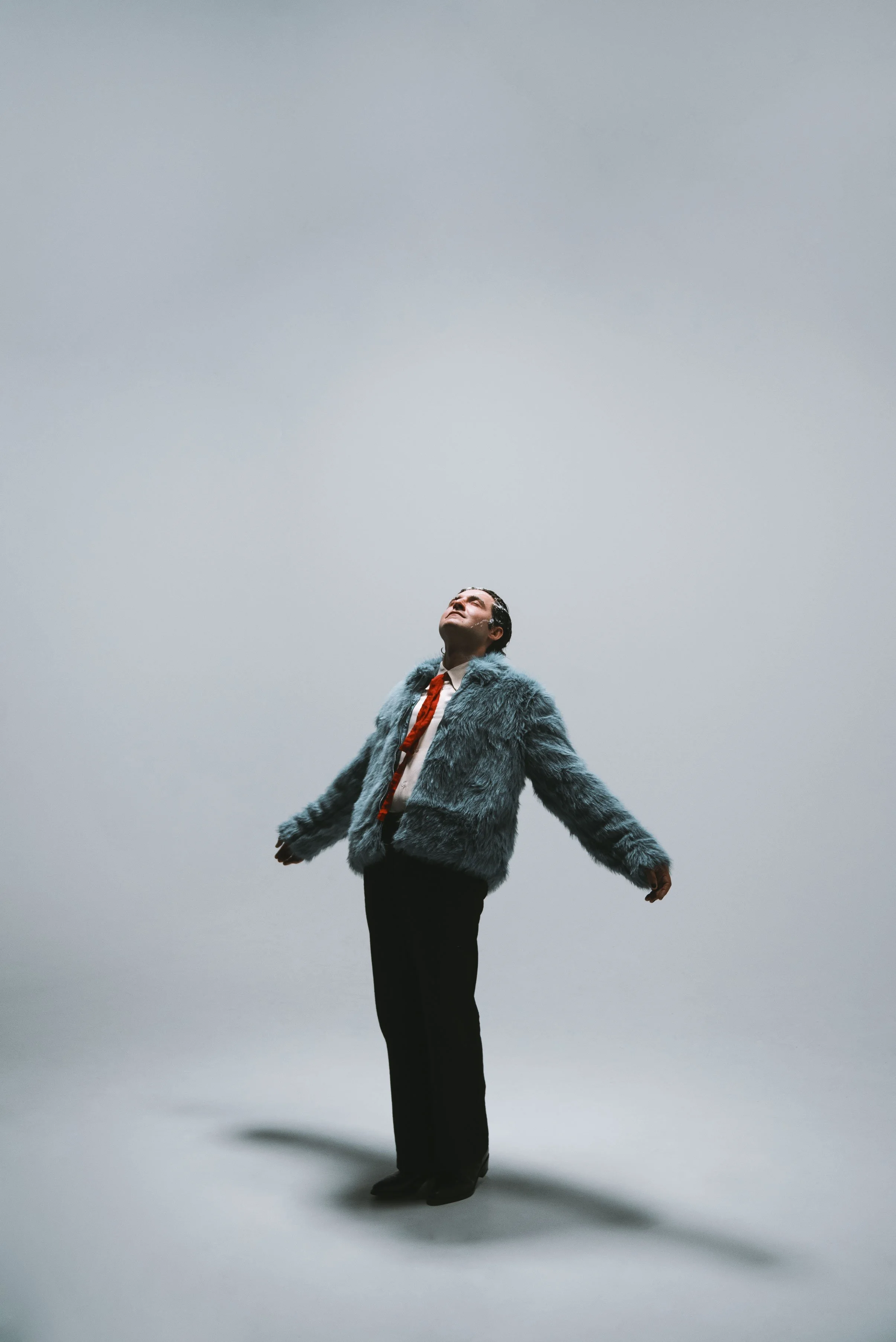
Which track on the album feels the most personal to you, and why?
Although every song on the album is deeply personal, “J’oublie (les jours, l’amour avant toi)” holds a particularly special place in my heart because of the story behind it.
The song was inspired by my grandmother, who has been living with Alzheimer's disease for the past eight years. For a long time, I was hesitant to write about such an intimate subject. I felt a responsibility toward my family and often questioned whether I was the right person to tell that story.
As part of the album’s promotion, we released a music video for the track. My grandfather (her husband) appears in the film, portraying an older version of myself. Filming alongside him was an incredibly emotional experience, but seeing the first cut was even more powerful. It remains one of the projects I am most proud of, not only for its artistic value, but for what it represents in terms of memory, transmission, and family legacy.
How do you balance authenticity with the expectations of your audience or the industry?
That’s a very interesting question, and one that is deeply personal to every artist. In my work, I try to remain as authentic as possible. The era we live in inevitably shapes the way we consume media, create music, and communicate with one another, influencing the industry as a whole. Because the industry’s role is often to understand audiences and capture their attention, my responsibility as an artist is to keep my own vision at the center of everything I do while learning to navigate the tools and expectations of the present moment.
I’ve never been entirely comfortable with the digital ecosystem that surrounds us. Rather than resisting it, I try to approach it as a game and avoid becoming overly focused on what others are doing—perhaps as a way of preserving my own creative space. Building a meaningful audience can take time, but I believe authenticity remains the most powerful and lasting foundation for any artistic journey.
Were there any unexpected challenges you faced while creating this project?
A lot! Blizzard Moderne was undoubtedly one of the most challenging projects of my career. Choosing to produce the album independently meant taking on responsibilities far beyond the creative process. While writing and recording the music came with their own demands, the financial and organizational aspects of the project were equally significant challenges.
To bring the album to life, I created my own label and committed to producing the record to the highest professional standards. That required surrounding myself with talented and experienced collaborators, while also earning their trust and encouraging them to believe in the vision behind Prattseul. Coordinating the schedules, expectations, and contributions of everyone involved was particularly demanding, especially as I was overseeing the entire project myself.
Looking back, those challenges became some of the most valuable parts of the journey. They pushed me to grow not only as an artist, but also as a producer and entrepreneur, and the lessons I learned will undoubtedly shape the projects to come.
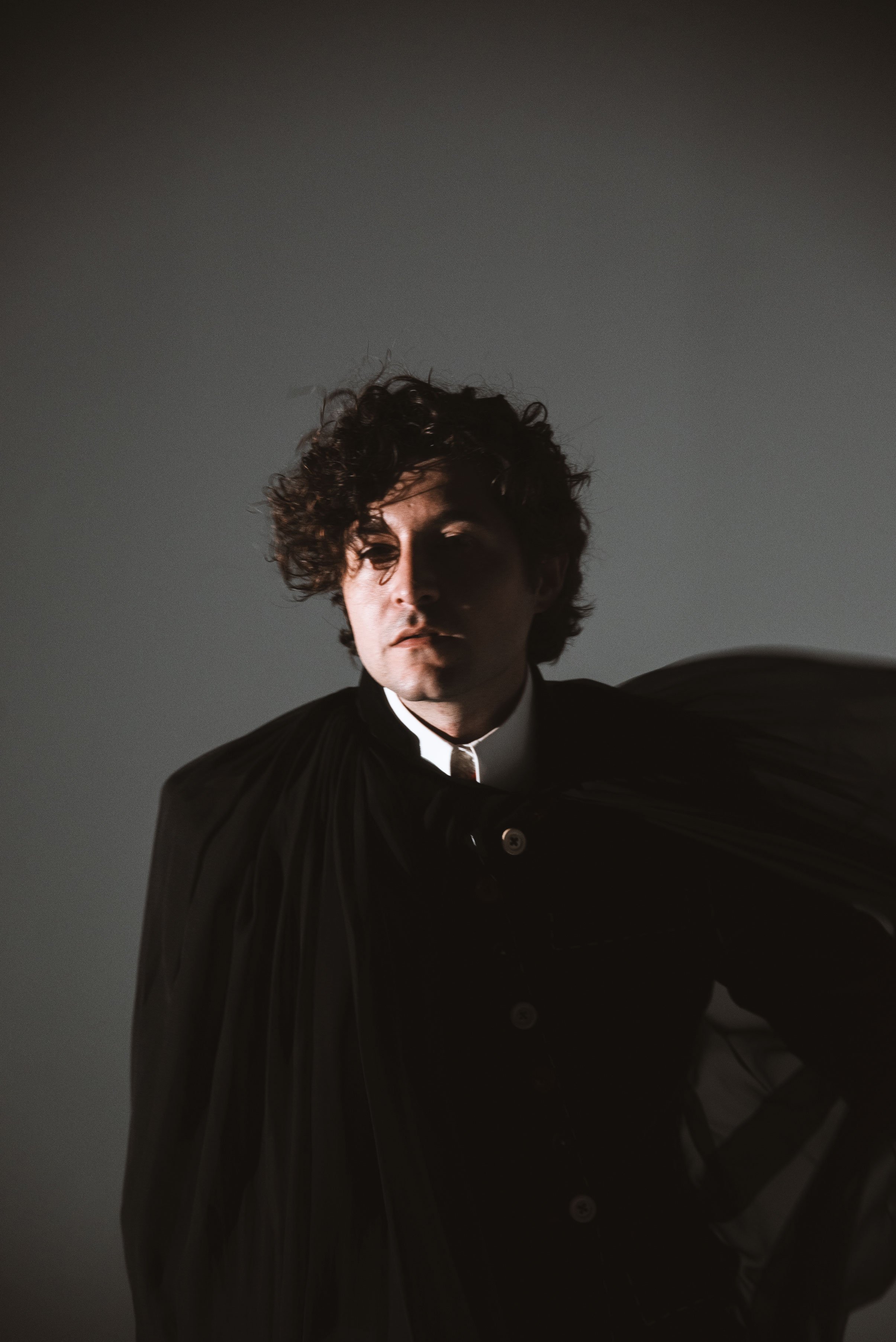
We saw some of your YouTube videos. What is your take on content creation for artists?
There is a fascinating paradox to the era we live in. We have access to more creative tools than ever before, tools that can expand possibilities, elevate ideas, and make artistic expression accessible to a far wider audience. Today, creativity is no longer reserved for those with formal training, technical expertise, or industry connections. In 2026, almost anyone has the opportunity to create, and there is something genuinely beautiful about that.
At the same time, this abundance of tools can sometimes lead to a certain level of standardisation. When technology accelerates the creative process, it can occasionally leave less room for experimentation, failure, and discovery. The very elements that often give art its individuality. The challenge for artists today is not simply learning how to use these tools, but finding ways to preserve a distinct emotional voice while doing so.
When an artist succeeds in balancing innovation with authenticity, the result can be remarkably powerful. A few years ago, for example, Billie Eilish embodied that balance perfectly. Her music, visual identity, communication, and artistic vision felt completely aligned, creating a cultural impact that extended far beyond the songs themselves. When every element of an artist’s world speaks the same language, something truly memorable can emerge.
Who’s next?
If listeners could take away one feeling or message after hearing the album, what would you want it to be?
First and foremost, I hope people listen to the album from beginning to end and come away with the feeling that it exists beyond a particular moment in time. If there is one message I would like listeners to take with them, it is a simple one:
"Don’t forget to take care of one another."
In a world that often moves too fast, kindness, empathy, and human connection remain essential. If Blizzard Moderne can serve as a reminder of that, even in a small way, then I will feel that the album has achieved something meaningful.
Looking ahead, how do you see this project shaping the next phase of your career?
Although the project is still very recent, I hope Blizzard Moderne will become the defining reference point for Prattseul. It represents an important step in shaping both my artistic identity and the way audiences experience me on stage. More than anything, I hope it will open the door to performing extensively next year and allow the community around the project to continue growing.
Ultimately, the greatest success I could hope for is that Blizzard Moderne creates enough momentum to make the next chapter possible. If this album gives me the opportunity to keep writing, composing, and recording new music, then it will have achieved exactly what I dreamed of when I started it.
What does the word “zero” mean to you?
The first thing that comes to mind is Sub-Zero from Mortal Kombat...
But seriously, I’ve always been fascinated by zero. Is it really a number? There’s something deeply mysterious about it. It seems to represent both nothing and everything at the same time, the unseen part of things, what exists just beyond perception. Zero can mark the beginning of a journey, a blank page filled with possibility. Yet it can also signify an ending, a return to the origin.
I like that ambiguity. It leaves room for interpretation, imagination, and mystery. Qualities that I’m naturally drawn to, both in life and in music.